
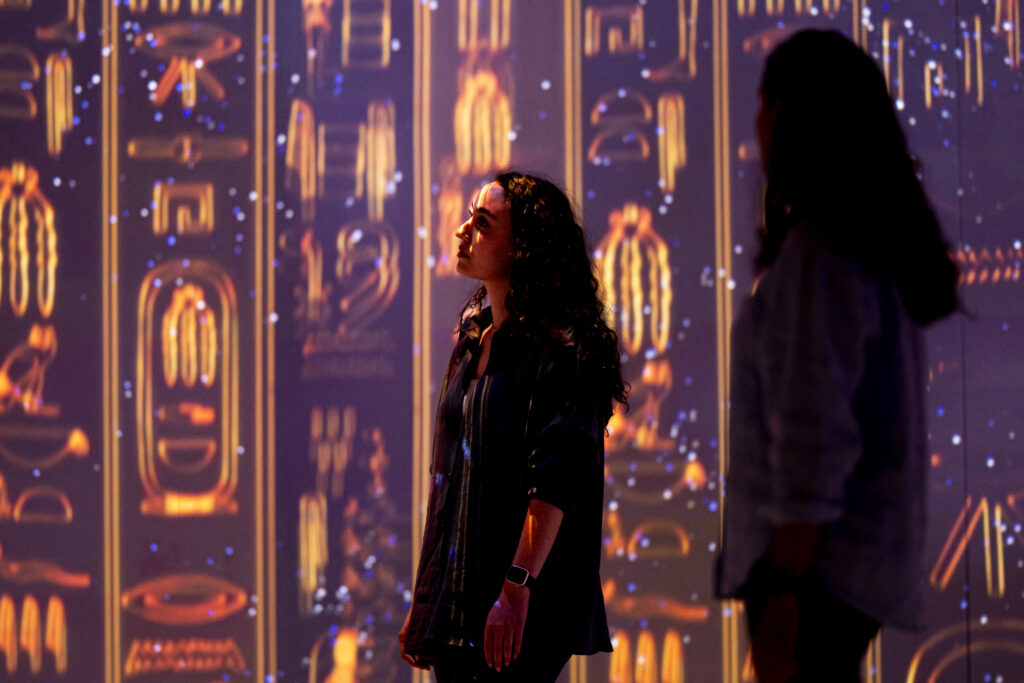
Placing Göbeklitepe in London’s Mind
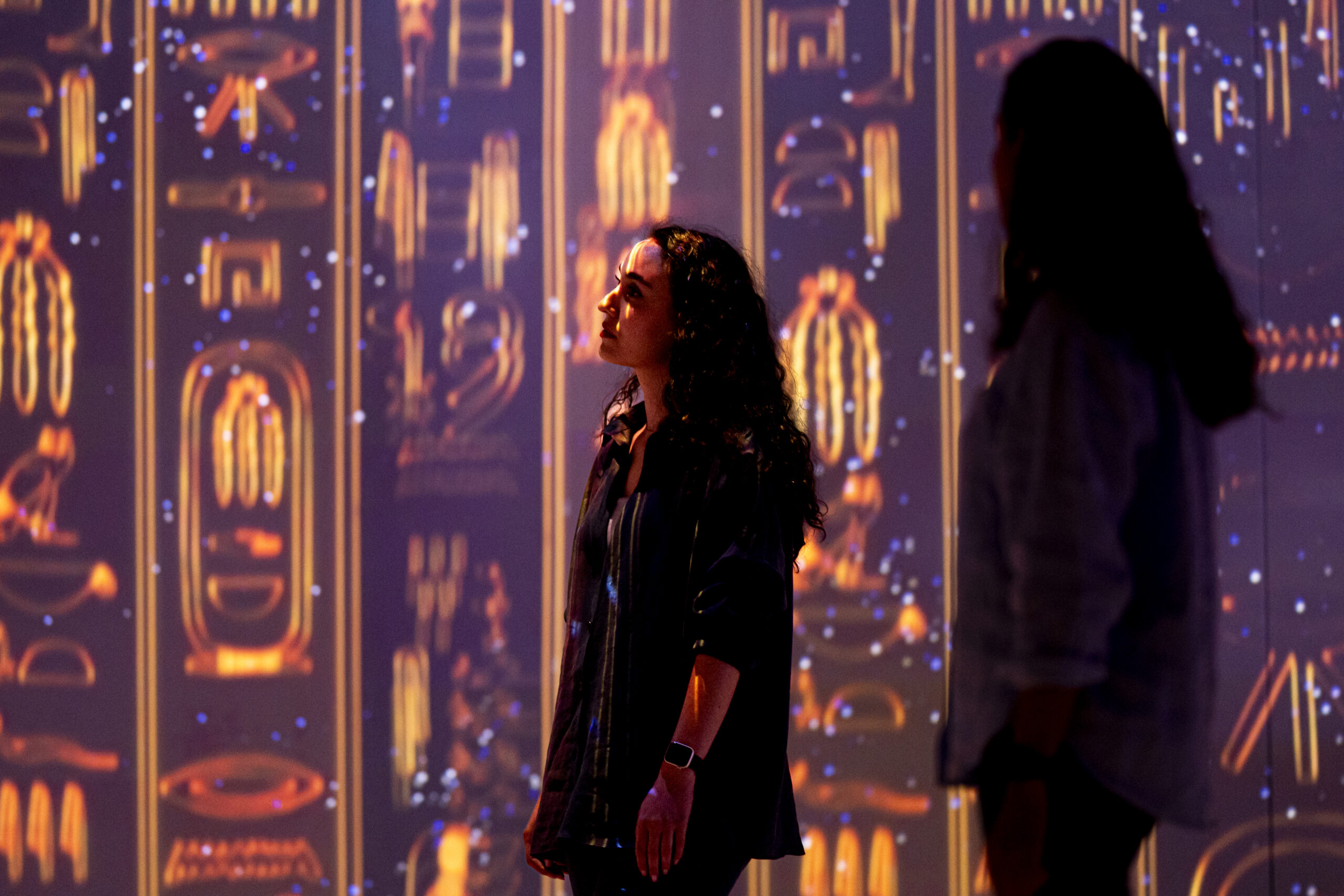
A new era is beginning in museology.
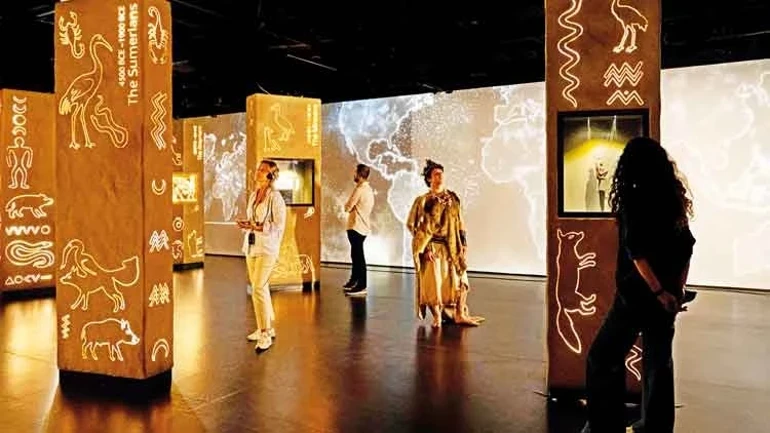
I did not just see Göbeklitepe, Babylon, Egypt, the Maya and Rapa Nui there.
I saw the new way in which a Turkish company says in London, “We have a story to tell, too.”
In the past, when people spoke of cultural exports, other things came to mind. Now they talk about “experience museology”.
I like traditional museums.
I like standing in front of a glass display case, reading the small-print labels and contemplating a stone for a long time.
But the new generation does not learn this way.
When you tell children who have grown up tapping on tablet screens, “Look, this stone is 3,000 years old,” perhaps they nod respectfully.
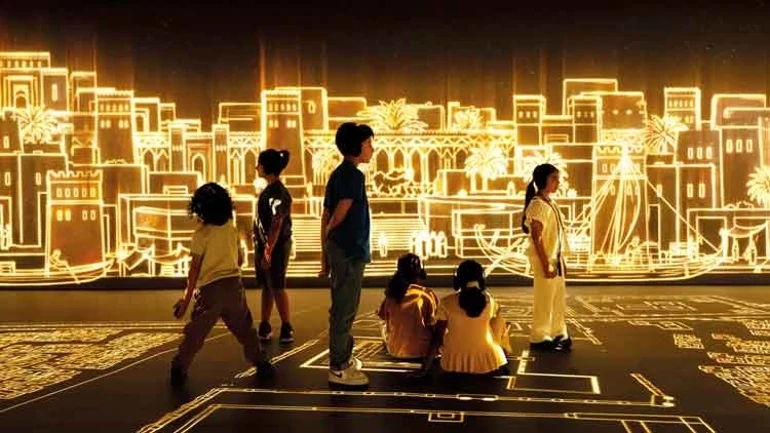
But when you show them the person behind that stone, when you let them hear that person’s voice, when you walk them through the city gate, things change.
That is exactly what Timewalk does. It draws people into the story.
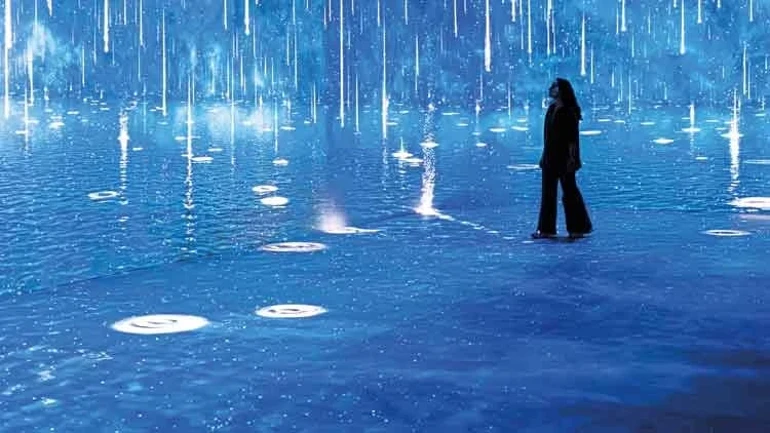
Suddenly you are at the gate of Babylon. A little later, on the banks of the Nile. Then, in the middle of the Pacific, the stone faces of Rapa Nui are looking at you.
Here lies the secret of experience museology.
When knowledge is combined with emotion, it becomes memory.
Why is Göbeklitepe in London?
For me, this was the most important question.
Seeing Göbeklitepe in Şanlıurfa is one thing; seeing it in London is quite another.
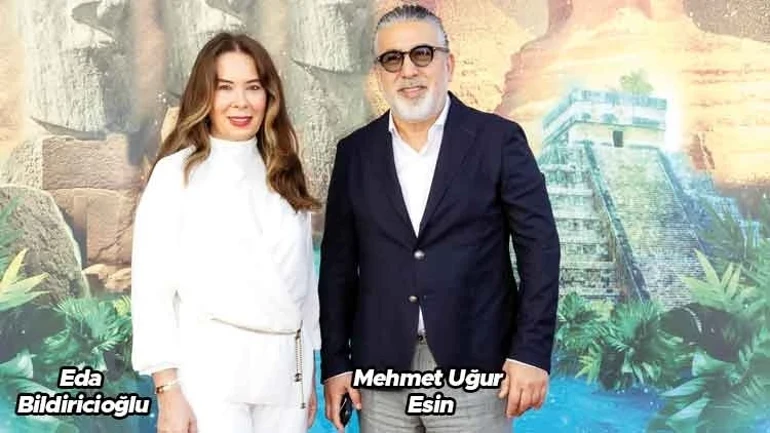
When DEM Museums Chairman of the Board Mehmet Uğur Esin explained this, he put it in a very simple sentence.
“We are not exporting a physical product; we are exporting culture.”
In my view, it was the most important sentence of the day.
For years, Türkiye has been trying to tell the world about its history.
The issue now is not merely being visible, but being remembered.
That is precisely what Timewalk does.
It plants Göbeklitepe in the minds of Londoners.
DOES TECHNOLOGY OVERSHADOW THE WORK
There have also been those opposed to experience museology.
Especially in traditional museology circles...
They have said, “Technology overshadows the work.”
I understand this objection.
But when used correctly, technology is not history’s rival but its interpreter.
That is also the most important test DEM Museums faces at the point it has reached today.
Not shrinking the story while enlarging the screen.
Not reducing historical accuracy while increasing visual effects.
Not misleading visitors while amazing them.
Mehmet Uğur Esin said, “If new archaeological data emerges, we update the content.”
After Göbeklitepe came Karahantepe.
New excavations keep pushing the starting line of human history further back.
Which means the museum of the future will not only be digital.
It will also be a living structure that changes and corrects itself.
THERE IS ALSO A TOUCH OF GENTLE NATIONALISM
London was not chosen by chance; they worked on it for two years.
Eda Bildiricioğlu: “We love competition. We chose London because it is one of the places where we can show what sets us apart most powerfully.”
There is also a touch of gentle nationalism.
Eda Hanım did not hide it when she said, “We surprised the British.”
Nor will I.
It matters that a Turkish company is making such an investment in London, at the heart of the experience economy.
Because cultural self-confidence is no longer built simply by saying, “Our history is very rich.”
It is built by the language in which you tell the story of that richness.
After the London project, the Colosseum in Rome is next.
A Turkish company will tell the Romans about Rome.
That is why this sentence from Mehmet Uğur Esin was important.
“Our greatest happiness is that the true owners of that culture see us not merely as investors, but as a partner to whom they can entrust their stories.”
PERHAPS ANTHONY HOPKINS WILL BE DESTINED FOR TROY
Mehmet Uğur Esin said that in the company’s early years he identified 17 separate cultural projects for Türkiye.
It is not easy for the private sector to carry them all out on its own.
Public support, sponsors and international partnerships are needed.
Perhaps this is how Türkiye’s new cultural policy should be built.
The voiceovers were also mentioned during the presentation.
Selçuk Yöntem and Devrim Yakut worked on the Turkish texts.
The English narration features names such as David Schofield and Olivia Williams.
One of Mehmet Uğur Esin’s dreams, it turns out, was Anthony Hopkins.
He wanted Ephesus to be narrated in his voice.
When Hopkins won an Oscar at just that time, the cost went up and the dream was put on hold.
I liked this detail.
Mehmet Uğur Esin’s greatest dream is to do Troy.
Perhaps Anthony Hopkins will be destined for Troy.
THERE IS SUCH A THING AS CHILDREN’S LANGUAGE
One of the parts that interested me most was the narration prepared for children.
They did not simply shorten the text presented to adults and give it to children.
They created a separate language.
They turned history into stories.
Not like fairy tales, but using the sense of curiosity that fairy tales evoke...
They call this “children’s language”.
Its equivalent around the world is “edutainment”.
In other words, the combination of education and entertainment.
I think this word will become far more a part of our lives in the years ahead.
Because children no longer reach knowledge by the routes we learned through.
We used to leaf through encyclopaedias.
They learn about the world by scrolling.
We used to keep quiet in museums.
They want to touch, to hear, to play.
To take this generation into the past, the new museology must first learn their language.
JAPAN AND AMERICA ARE NEXT
New projects include Japan and America.
Talks are also under way in China for Beijing and Shanghai.
Japanese history will be added to the Timewalk in Japan, while the project in America will include that region’s own narrative.
But the main starting point will once again be Göbeklitepe.