22.05.2025
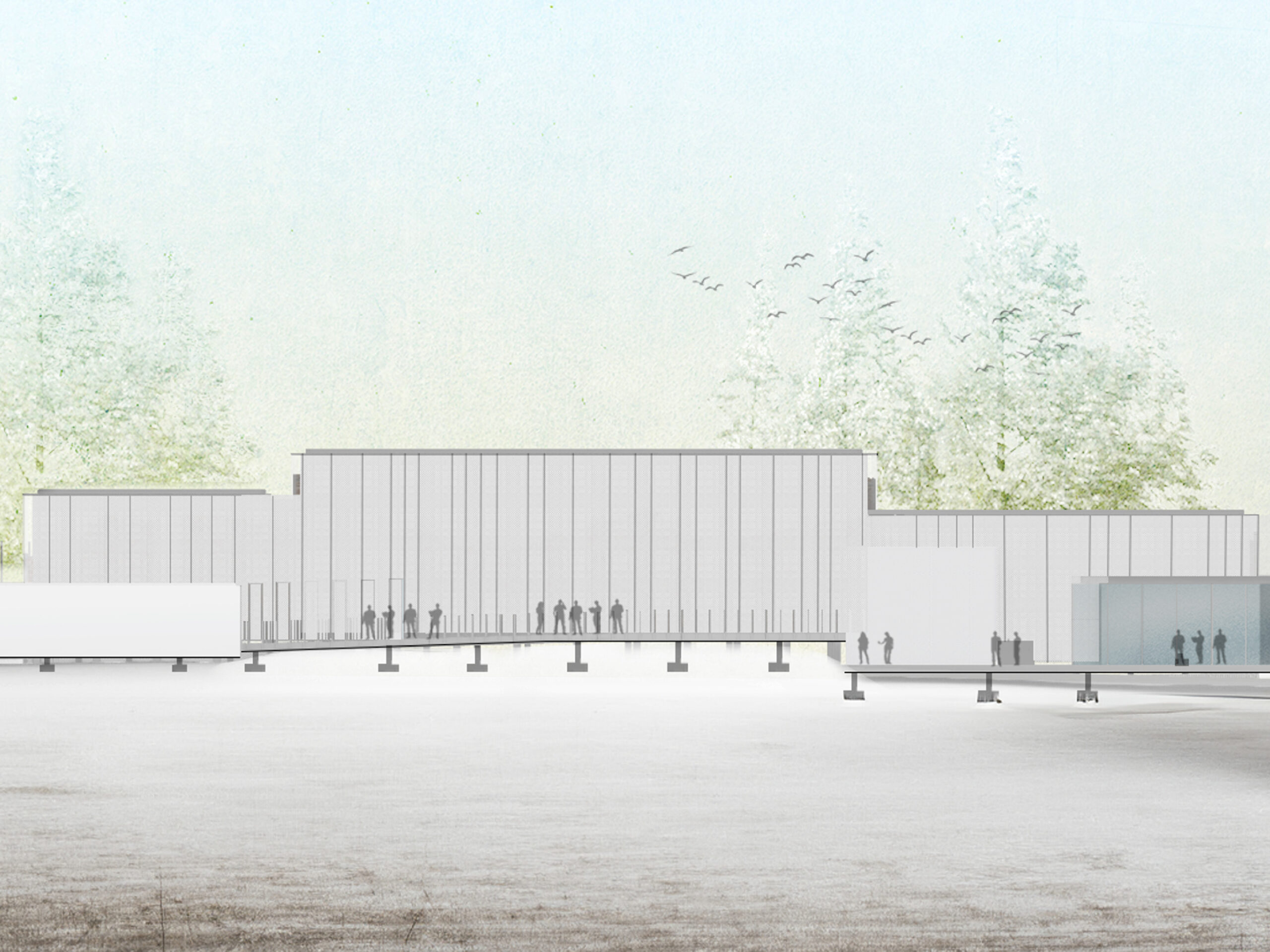
Some places leave a mark long after you’ve left—not because of what you saw, but because of how you moved through them. Ever walked into a space that seemed to understand you before you even made your first decision? You didn’t wait too long. You didn’t get lost. You felt—strangely—like you fitted right in.
That feeling doesn’t happen by chance.
Behind every effortless visit is a layered strategy. There's someone (actually, a whole team of someones) who’s been obsessing over your route, your mood, your moments of awe and rest and reorientation. They’ve drawn invisible lines through the chaos, weaving emotion and logistics into a single, seamless experience.
Because it's one thing to create a beautiful space—but it’s another thing entirely to make that space work. Not just technically. Emotionally. Humanly.
Think of it like composing music. You don’t just throw in beautiful notes—you time them. You control tension and release. You build silence, then overwhelm it. It’s the same with space. When people move through a museum, a park, a festival, or even an airport, their experience is scored by what’s visible and what’s not—how the lights change, how the path curves, when you get a view, when you finally get to sit.
It’s operational strategy, sure. But it’s also storytelling.
And increasingly, We’re seeing this kind of thinking brought into practice not just in world-class museums and experience centers, but in places that serve thousands of people every day—places that need to be intelligent, not just impressive.
That’s where the idea of end-to-end operations comes in. And when it works, it changes everything.
Let’s start with visitor navigation. It’s the quiet hero of every great experience. When it’s done well, people barely notice it. They just feel guided. Whether it’s 20 people or 20,000, a well-designed navigation strategy controls the tempo. It prevents bottlenecks, reduces fatigue, and—in brief—keeps tempers in check. You don’t want guests remembering the long line. You want them remembering the room that took their breath away.
That’s why the smartest operational plans today don’t just manage people—they manage energy. They anticipate patterns and redirect attention like a conductor handling a symphony.
Then comes physical space management. And no, it’s not just about square meters and signage. It’s about how the environment listens. Smart venue operations today mean lighting that responds, sounds that guide without overwhelming, systems that adapt to time of day, crowd density, even emotion.
Think of experience spaces like ecosystems. They should breathe with the audience, not just stand still. The best ones do. And the reason they do is because someone built them to feel that way.
Of course, none of this means much if it doesn’t feel good. Operational efficiency isn’t just about tech dashboards or metrics. It’s about joy. Calm. Surprise. That moment when a guest realizes they’ve seen everything without realizing how much they walked. Luck cannot be credited; it’s in the design.
And when operations lift experience instead of just enforcing order, something incredible happens: visitors stay longer, engage deeper, and come back more curious.
These aren’t just ideals. We’ve been lucky enough to help make them real.
At the Ephesus Experience Museum, every inch of visitor movement was choreographed to respect both the history of the space and the present-day audience. Artemis doesn’t just speak there—she arrives when the room is ready to hear her. That’s operational timing.
In Hagia Sophia History & Experience Museum, the flow of visitors mirrors the spiritual journey through the space itself—light, darkness, ascent, return. Nothing is accidental. Visitors intuitively know when to move, as if flowing with the story itself—without needing to think. Even in stillness, the next step is quietly understood.
These projects have also taught us something essential: operational thinking isn’t the opposite of creativity—it is creativity. When done well, it becomes the backbone of every unforgettable story.
And we truly believe in this kind of work— where storytelling, strategy, and systems don’t compete, but collaborate.
Because at the end of the day, what makes an operation excellent and connected “end-to-end” isn’t just how it looks or what it displays; it’s how it responds to the people who move through it—how the flow feels natural, how every interaction works without friction, how the space anticipates needs before they're spoken. Operational excellence, especially in immersive museums, is what makes a space feel alive, attentive—like it’s not just showing history, but listening to its visitors' expectations in return.
If you're as excited as we are about creating seamless visitor experiences, we'd also love to hear from you—whether you're a visitor eager to explore or a potential partner looking to collaborate. And with that, we'll wrap up this blog—see you in the next one!
