12.12.2024
When viewed as a long road, schools form just one segment of this broader process.Today, formal schooling often begins around age six, introducing students to interdisciplinaryfields of study. This holistic approach not only nurtures well-rounded individuals but alsoenriches multiple areas of society along the way.
Museums are living chronicles that anchor timelines with tangible evidence. Beyond theirtraditional roles of preserving and displaying artifacts, museums have evolved to emphasizeeducation through “next-generation museology.”
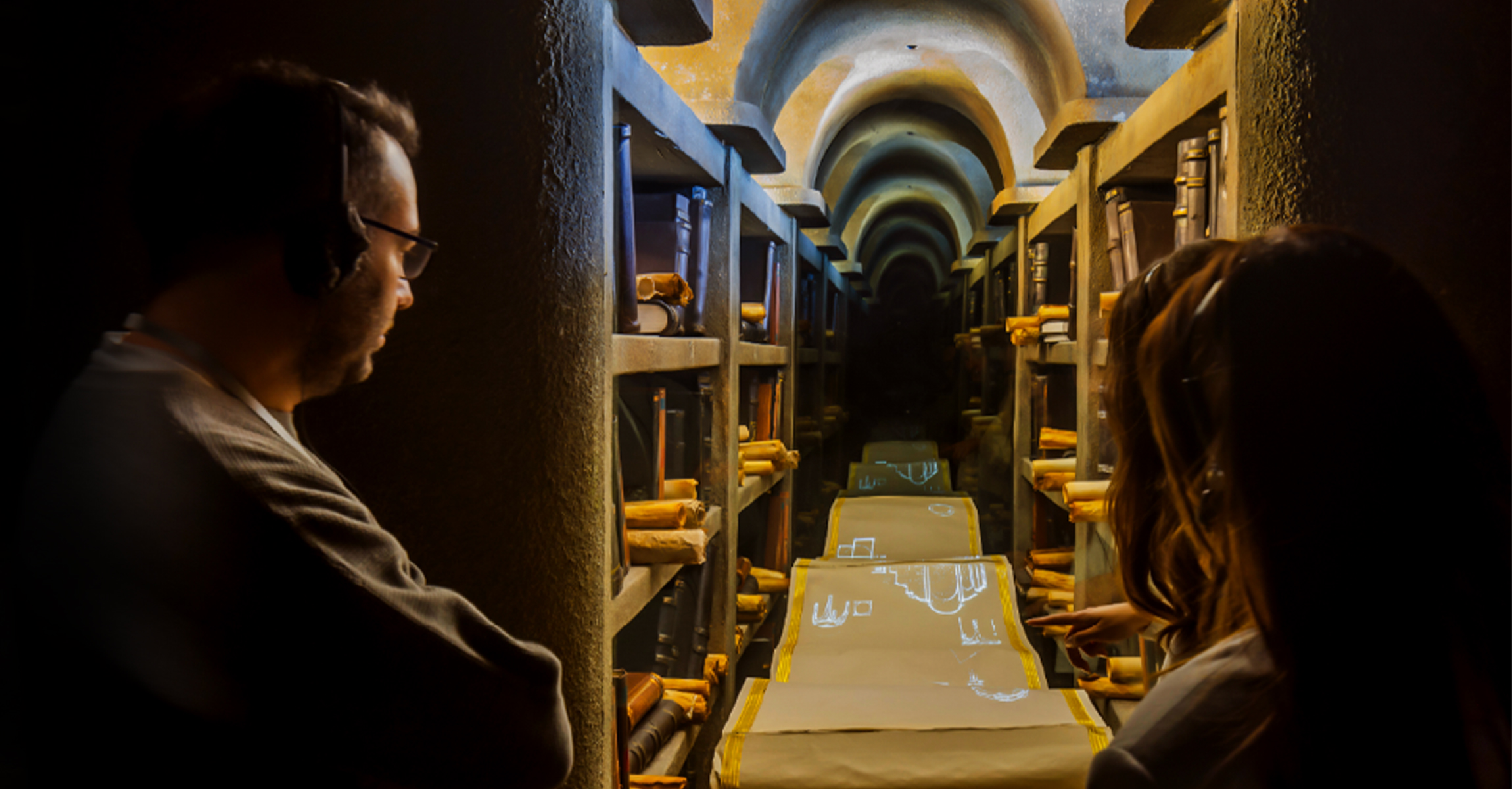
Alongside historical, archaeological, naturalhistory, and ethnographic museums, new-age spaces like digital experience and interactivemuseums have emerged thanks to advancing technology. These spaces reinforce historical awareness in education while also answering the curiosity ofindividuals of all ages about the past. School-organized museum visits have become acornerstone of this hands-on learning.
Technology, a hallmark of our age, has transformed daily life in profound ways—makinginformation more accessible than ever. This accessibility has accelerated scientific researchand enriched learning opportunities.In the context of museums, experience museums have bridged a significant gap.
Whiletraditional museums offer information through exhibits and plaques, experience museumsimmerse visitors in ancient stories, pivotal historical moments, or even let them visualize agladiator’s helmet as it might have looked in action. By leveraging technology, thesemuseums bring history alive, sometimes positioning you face-to-face with that gladiator.
Experience museums embody the concept of “edutainment”—the fusion of education andentertainment—proposed by researchers like Walldén and Soronen (2004). These spacesprovide opportunities for visitors of all ages, particularly young people, to explore history,science, and art through captivating presentations. Immersive experiences powered by
advanced storytelling appeal especially to Gen Z, whose leisure activities are often rooted indigital platforms. Here, technology enhances learning, turning it into an engaging andimpactful process.Prominent examples of this innovative museology in Türkiye and beyond include the HagiaSophia History and Experience Museum and the Ephesus Experience Museum.
At theEphesus Museum, visitors step into the daily lives and monumental moments of the ancientcity, while the Hagia Sophia Museum immerses them in its architectural and historicalsignificance through stunning visuals.
By placing visitors into the heart of history, thesemuseums ensure that the learning process is not only memorable but transformative,solidifying their essential role in education.
Authors: Gökçe Büyükmete, Hazal Ocak, Ece Su Mercangöz
