06.03.2025
Step into the future, where museums whisper secrets, experiences are tailored just for you, and reality itself bends at the edges. Experience design has become an art form, blending nostalgia, personal touch, and cutting-edge technology into something more than just entertainment—it’s a portal into other worlds, emotions, and even versions of yourself. But what makes an experience truly unforgettable? Let’s explore the approaches shaping the next generation of immersive design.
Think back to the last time an experience—an exhibit, a film, a place—left you with goosebumps. Chances are, it wasn’t just the visuals or the technology; it was, in truth, the story, the connection, the pull of nostalgia that let you fall into its clutch. Experience designers have long understood that pure emotions, not just spectacle, are what make memories stick.
Great experiences are not just about what you see, but what you feel. Museums and entertainment spaces now craft their narratives like a great novel or a classic film—layered, evocative, and deeply personal. The goal? it’s simple really: to make visitors not just observe but live the story.
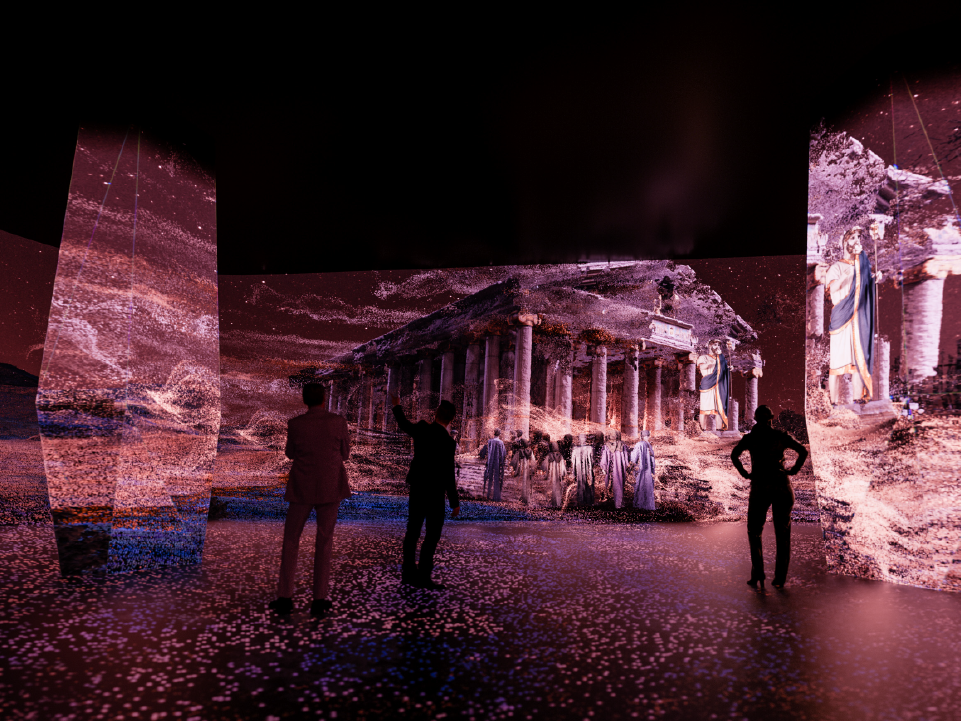
At the Hagia Sophia History & Experience Museum, for instance, the past doesn’t sit idly behind glass cases. Instead, it unfolds around you—whispers of emperors and millennia echoes of prayers mix with immersive visuals, creating a multi-sensory dive into history. Visitors leave not just knowing about Hagia Sophia’s past, but feeling it in their bones.
We are wired for nostalgia—certain smells, sounds, and images pull us back to childhood, to a time when the world felt bigger and more magical. Modern experience design taps into this, creating environments that remind us of a past we may have never even lived. If you wish, take a stroll through the once-bustling streets of ancient Ephesus at the Ephesus Experience Museum, feeling the pulse of a city long gone. Or perhaps, step into the digital echoes of worlds that have left no trace behind. Nostalgia is one of the strongest bridges between past and future, weaving memories into something new, yet achingly familiar.
Generic experiences are fading. The future belongs to customization—where visitors are no longer passive observers but active participants shaping their own journey.
Imagine walking into a museum and having the exhibit respond to you. AI-driven personalization means that soon, interactive spaces will soon adapt based on your interests, preferences, and even emotional responses. Love Roman architecture? The digital guide will highlight every arch and column. Fascinated by ancient trade routes? Your experience will subtly shift to explore those themes in more depth.
This approach makes museums and exhibitions feel less like static institutions and more like choose-your-own-adventure books—dynamic, responsive, and deeply personal.
We’re entering a time when the lines between the real and the virtual are blurring beyond recognition. Hyper-reality isn’t just about VR goggles and digital overlays—it’s about creating experiences so seamless that visitors forget where reality ends and technology begins. It’s all “real” at that moment.
Hyper-real experiences allow visitors to walk through cities that no longer exist, stand beside figures long gone, or even interact with objects in ways never before possible. Museums embracing this trend, like the Ephesus Experience Museum, transport visitors into the heart of the ancient city—not as spectators, but as time travelers. When every detail, from the light filtering through a marketplace to the distant sound of a temple ceremony, feels real, history becomes something you don’t just learn about—you inhabit it.
Artificial intelligence is transforming how we engage with cultural and entertainment spaces. From AI-driven storytelling to smart exhibits that react in real-time, AI is making experiences more interactive, more responsive, and more alive than ever before.
Picture an exhibit that doesn’t just display artifacts but converses with you about them. AI-powered narrators can tailor explanations based on your interests, making sure that whether you’re a history buff or a casual visitor, you leave with insights that resonate. This is already happening in some of the world’s immersive spaces, where AI-driven characters guide visitors through historical settings, responding dynamically to questions and engagement levels.
As “Experts of Experience,” at DEM museums, we don’t just showcase history—we bring it to life. Our award-winning museums, including the Hagia Sophia History & Experience Museum and the Ephesus Experience Museum, fuse emotional storytelling and hyper-real visuals to create spaces where past and present collide in breathtaking ways.
In the Hagia Sophia History & Experience Museum, visitors aren’t just told about the site’s grandeur—they experience its evolution, from Byzantine basilica to Ottoman mosque for example, through stunning visual narratives and immersive soundscapes. Meanwhile, at the Ephesus Experience Museum, cutting-edge design resurrects the bustling heart of the ancient city, allowing visitors to feel the energy of its golden age.
These aren’t just places to learn; they’re places to feel, to wonder, to step beyond the everyday into something extraordinary.
Experience design is still evolving, pushing the limits of what’s possible. As AI grows smarter, as hyper-reality becomes more seamless, and as personalization reaches new heights, one thing is certain: the best experiences will be the ones that don’t just show us something new, but make us feel something unforgettable.
So whether you’re stepping into the past, shaping your own narrative, or blurring the boundaries of reality itself, the future of immersive design promises one thing above all—an experience you’ll never forget.
Stay tuned for our next blog!
